October 25, 2019
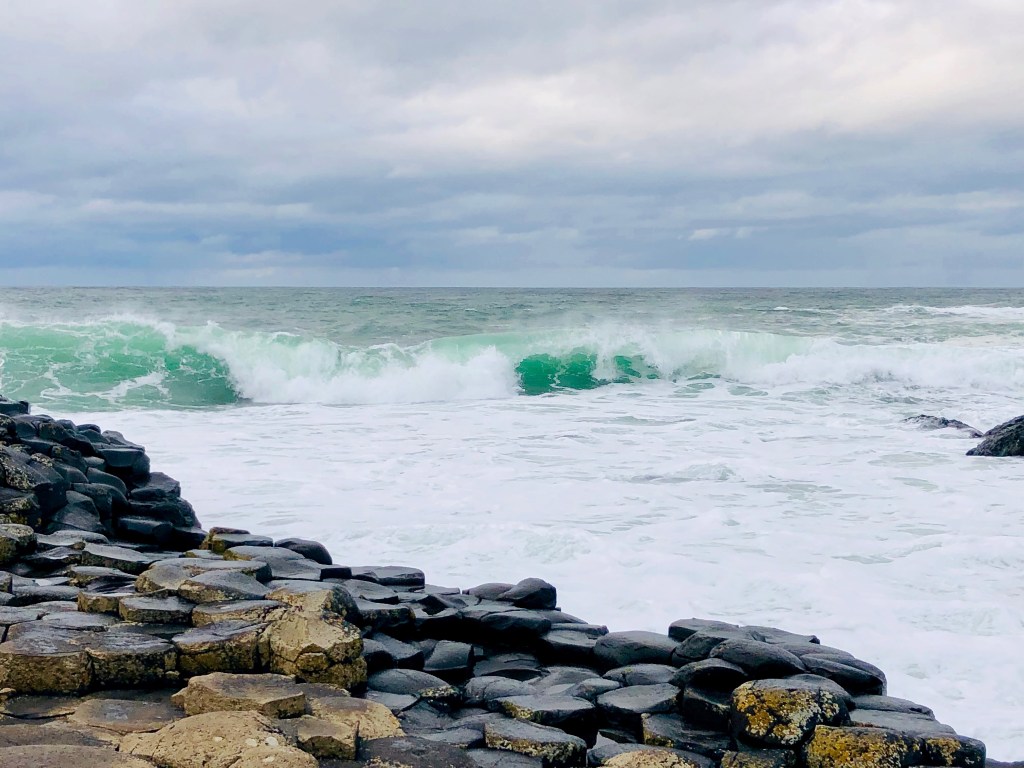
The Giant’s Causeway is an area of about 40,000 interlocking basalt columns, the result of an ancient volcanic fissure eruption.
the Giant’s Causeway was named as the fourth greatest natural wonder in the United Kingdom. The tops of the columns form stepping stones that lead from the cliff foot and disappear under the sea. Most of the columns are hexagonal, although there are also some with four, five, seven or eight sides. It is quite a site to behold!
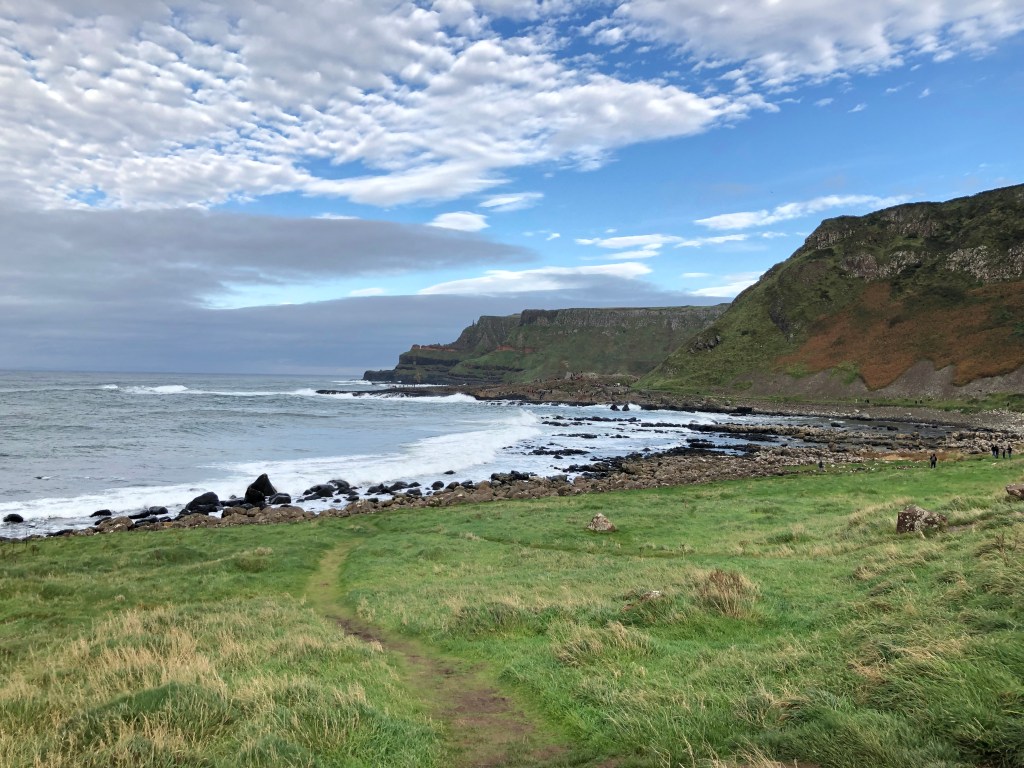
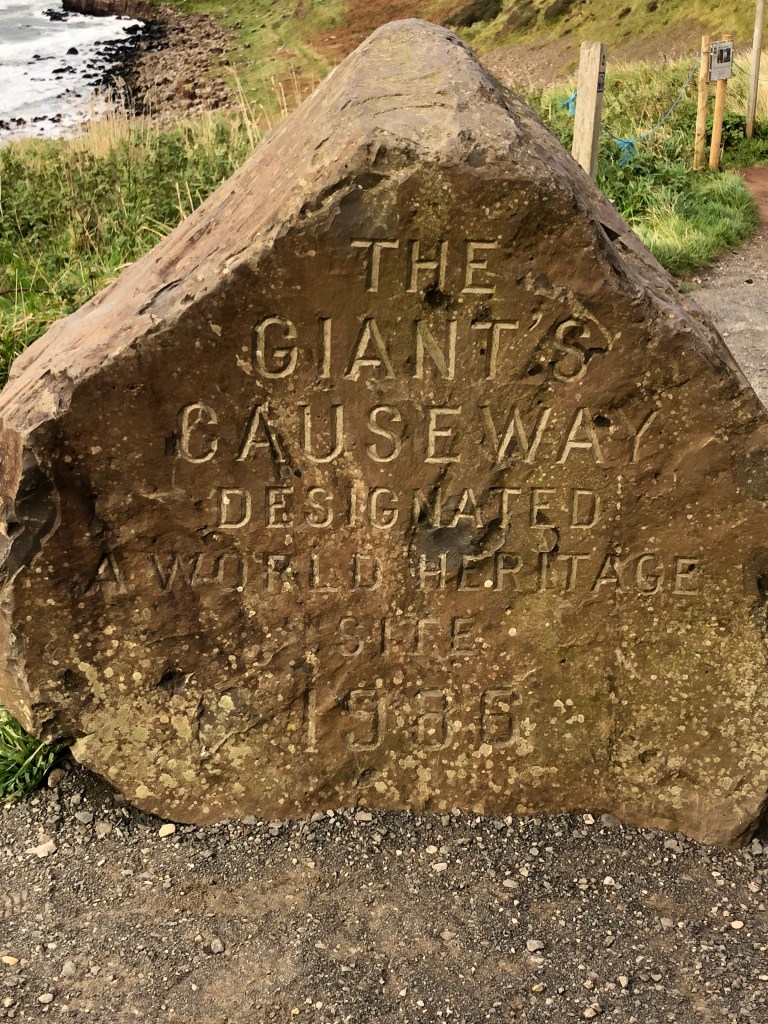
It was also declared a World Heritage Site by UNESCO in 1986, and a national nature reserve in 1987 by the Department of the Environment for Northern Ireland. You might want to add this to your bucket list as well if you are visiting Ireland.
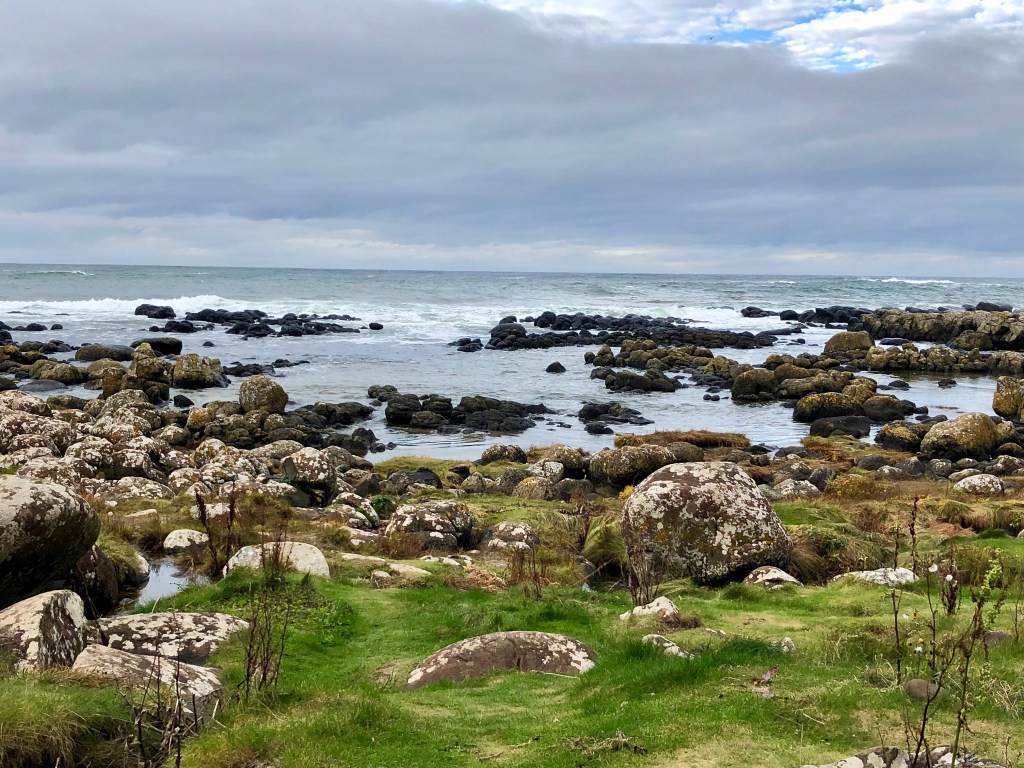
The Irish have legends for everything and according to legend, the columns are the remains of a causeway built by a giant.
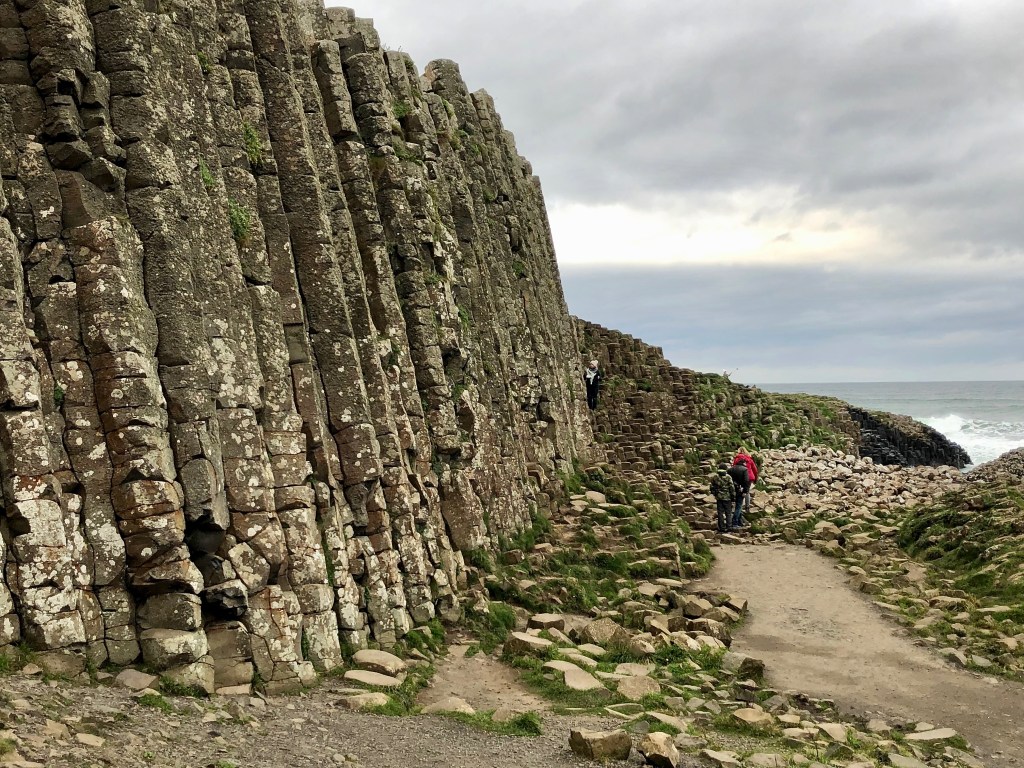
The story goes that the Irish giant Fionn mac Cumhaill (Finn MacCool), from the Fenian Cycle of Gaelic mythology, was challenged to a fight by the Scottish giant Benandonner. Fionn accepted the challenge and built the causeway across the North Channel so that the two giants could meet.
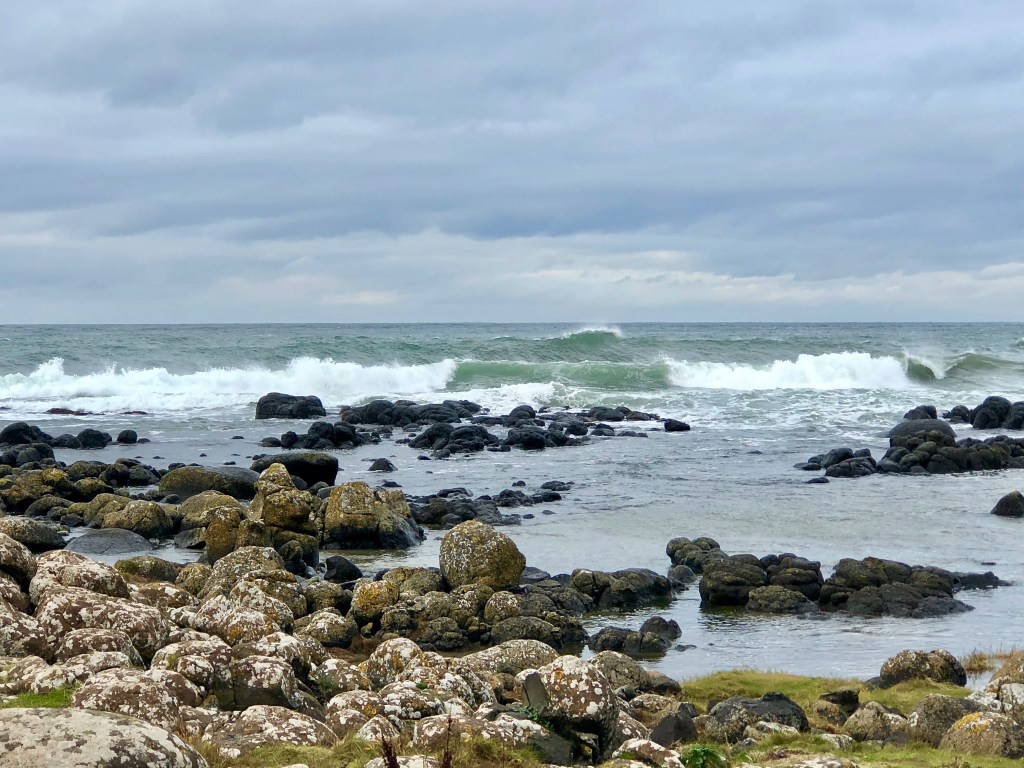
In one version of the story, Fionn defeats Benandonner. In another, Fionn hides from Benandonner when he realises that his foe is much bigger than he is. Fionn’s wife, Oonagh, disguises Fionn as a baby and tucks him in a cradle. When Benandonner sees the size of the ‘baby’, he reckons that its father, Fionn, must be a giant among giants.
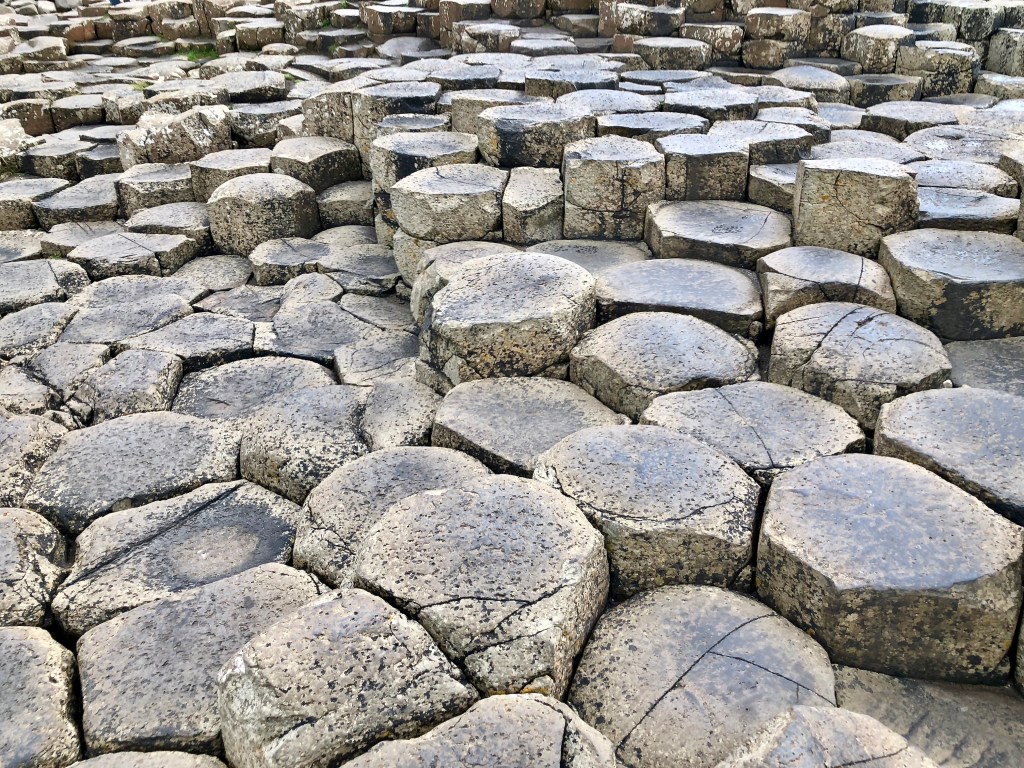
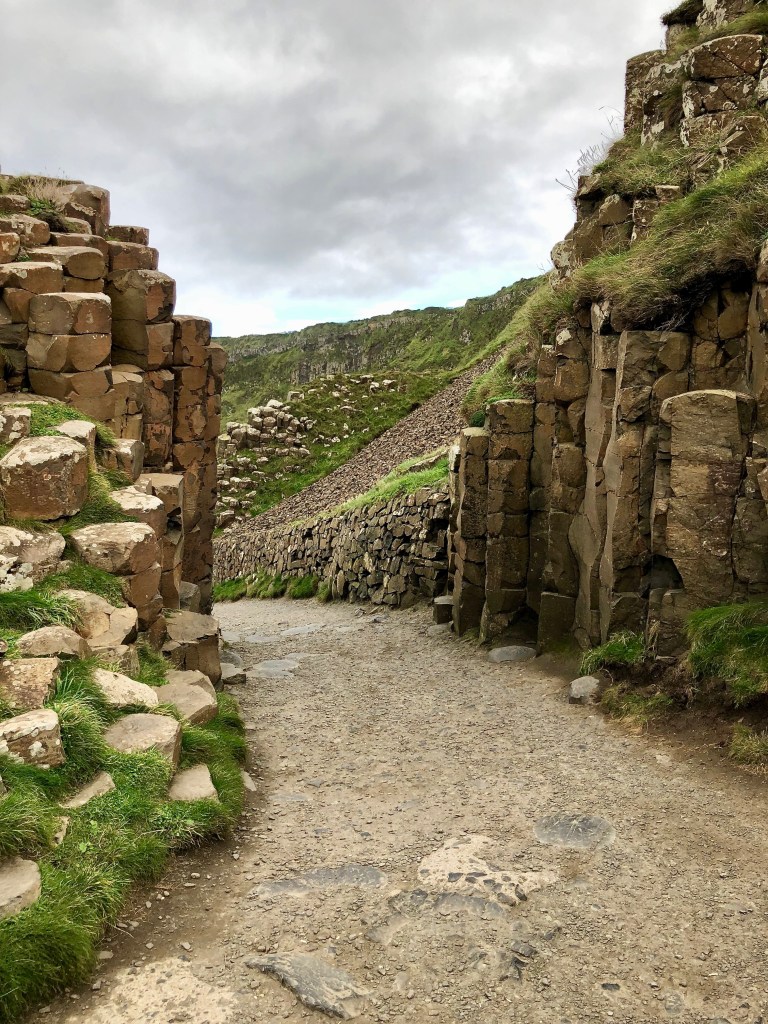
He flees back to Scotland in fright, destroying the causeway behind him so that Fionn would be unable to chase him down. Across the sea, there are identical basalt columns (a part of the same ancient lava flow) at Fingal’s Cave on the Scottish isle of Staffa, and it is possible that the story was influenced by this.
Are there any Game of Thrones fans? You would have enjoyed our final stop of the day.
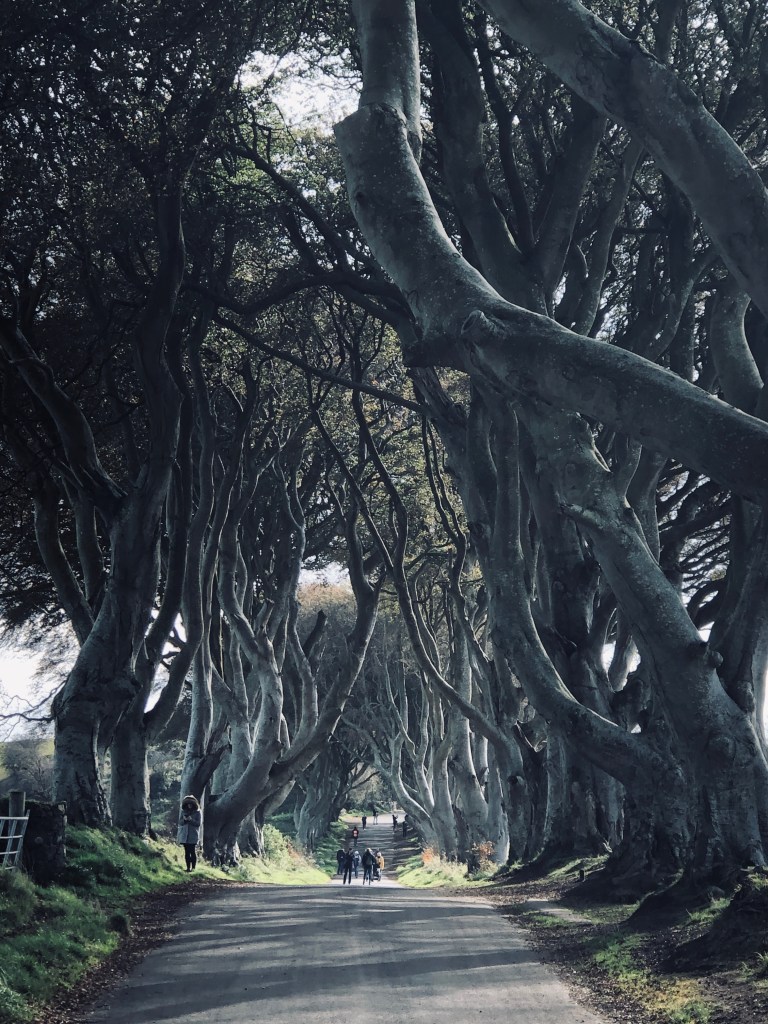
This beautiful avenue of beech trees was planted by the Stuart family in the eighteenth century.
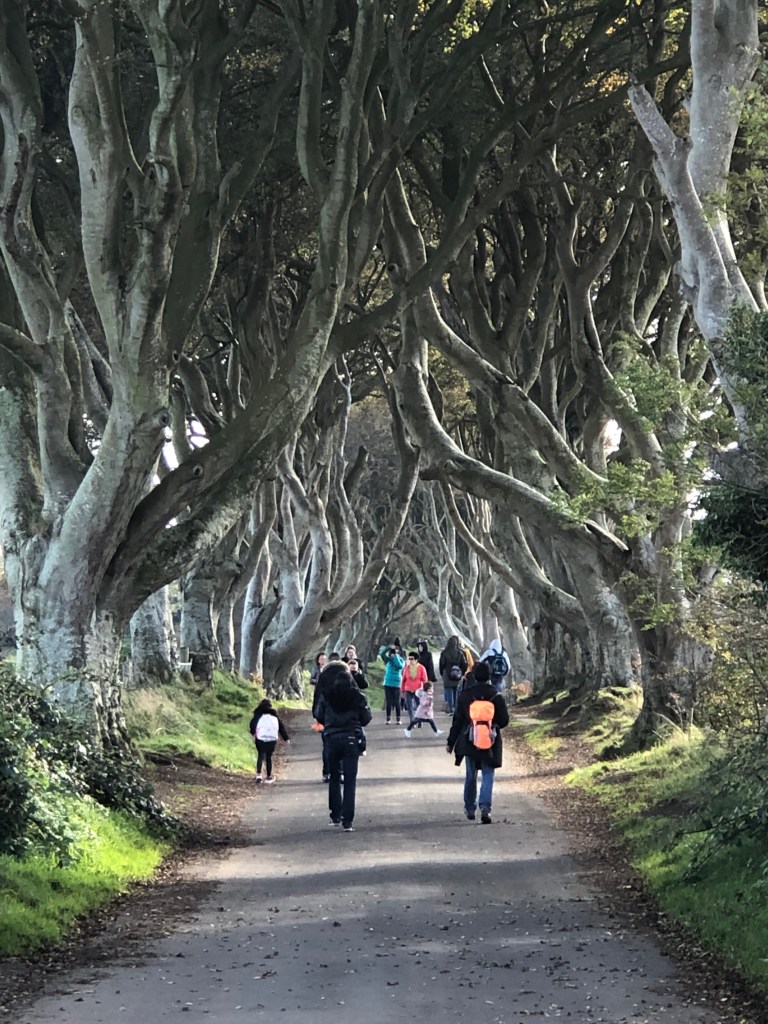
It was intended as a compelling landscape feature to impress visitors as they approached the entrance to their Georgian mansion, Gracehill House.
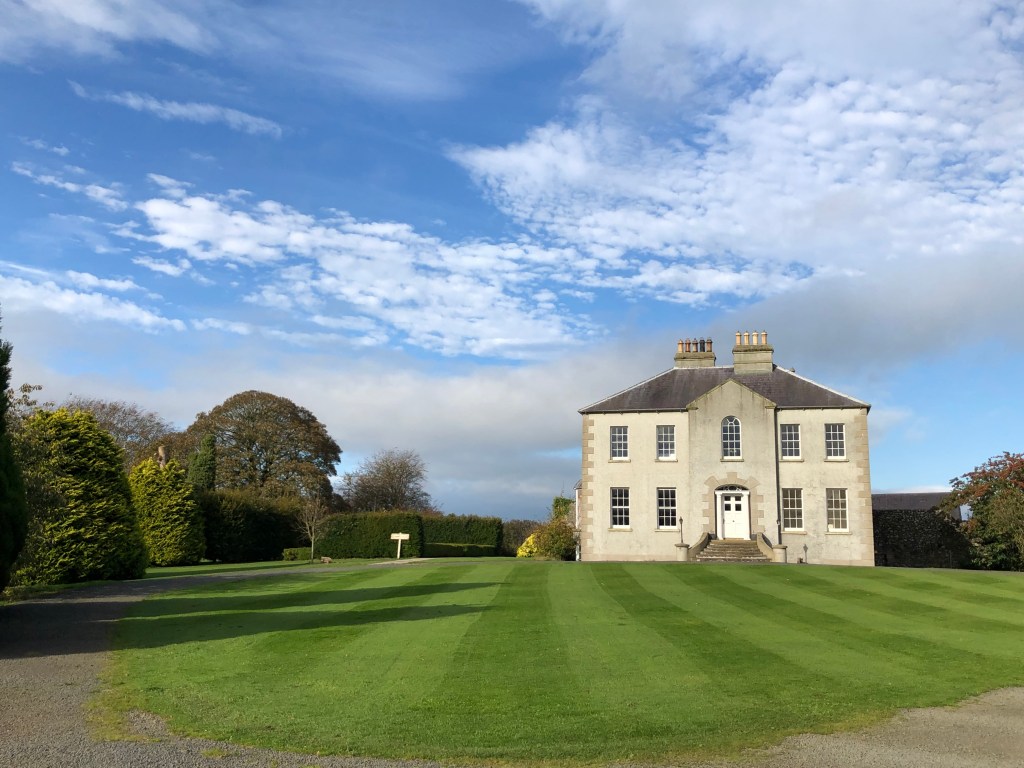
Two centuries later, the trees remain a magnificent sight and have become one of the most photographed natural phenomena in Northern Ireland. In fact, the iconic trees have been used as a filming location in HBO’s epic series Game of Thrones®, representing the Kingsroad.
“The freedom to make my own mistakes was all I ever wanted.”
– Mance Rayder – Game of Thrones
 Living All In